
Views: 0 Author: Site Editor Publish Time: 2026-03-11 Origin: Site


In the world of excavation and heavy machinery, there is often confusion surrounding the difference between bucket teeth and adapters. Both are essential components of the bucket system, yet they serve distinct roles. Understanding these differences is crucial for maximizing performance, reducing downtime, and making the right selection for your equipment.
This article will explore the key distinctions between bucket teeth and adapters, explaining how each part contributes to the bucket's functionality. We will also discuss how to choose the right combination of both components to optimize your machine's performance and lifespan, ensuring a smoother and more efficient digging process.
Bucket teeth are the replaceable front-end parts of an excavator, loader, or backhoe bucket. They are designed to penetrate the material being dug, whether it's soil, gravel, or rock. The cutting edge of bucket teeth allows the machine to break through tough surfaces, improving the overall efficiency of the digging process.
Bucket teeth come in various shapes and sizes, each suited for specific tasks. For example, abrasive penetrating teeth are designed for hard rock, while wider general-purpose teeth are used for earthmoving and softer materials.
Tip: Choosing the correct bucket teeth profile for your project will not only improve penetration but also extend the lifespan of the teeth themselves.
Adapters are the components that connect the bucket teeth to the bucket lip. Their role is to provide a stable and secure interface between the tooth and the bucket, ensuring that the tooth stays in place during operation. Adapters are typically welded or bolted onto the bucket and come in different styles to suit various types of teeth.
The main function of an adapter is to support the tooth and transfer the forces generated during digging to the bucket. A properly fitted adapter will improve the effectiveness of the bucket teeth and ensure that the tooth stays securely attached, even under tough working conditions.
The easiest way to understand them is to compare their function, location, wear pattern, and service method. One part attacks the ground. The other supports the attack. When buyers know this difference, they can order more accurately and manage replacement plans better.
Comparison Point | Bucket Teeth | Adapters |
Primary role | Cut and penetrate material | Support and connect the tooth |
Position | Front edge of the bucket | Behind the tooth, on the bucket lip |
Wear rate | Higher, due to direct contact | Lower, usually lasts longer |
Replacement frequency | More frequent | Less frequent |
Installation style | Usually pinned or locked into place | Usually welded or fixed to the lip |
Buying focus | Shape, wear life, penetration | Fit, structure, stability |
While both bucket teeth and adapters are critical components of the bucket system, they have very different roles. Bucket teeth are the frontline workers, doing the physical work of cutting into the material. They are subjected to high levels of wear due to their direct contact with soil, rock, and other tough materials.
In contrast, adapters are the foundation of the system, designed to hold the teeth in place and ensure a secure connection between the bucket and the teeth. Without the adapter, the teeth wouldn't be able to function properly, as there would be no reliable connection to the bucket.
Bucket teeth are attached at the very tip of the bucket, where they come into direct contact with the material. Adapters, however, sit behind the teeth, serving as the connecting element between the teeth and the bucket lip.
This positioning makes bucket teeth the most exposed and frequently replaced parts of the bucket system, while adapters typically remain in place for longer periods, supporting several cycles of tooth replacement.
Due to the high level of wear bucket teeth experience, they need to be replaced more frequently than adapters. Bucket teeth are designed to be easily replaceable, while adapters are usually more durable and stay in place through multiple cycles of tooth replacement.
Replacing bucket teeth regularly helps maintain digging efficiency and reduce downtime. However, adapters generally require less frequent replacement, making them a more long-term investment.
Bucket teeth are often attached using a locking mechanism, which allows them to be quickly and easily replaced as needed. This is crucial for minimizing downtime in heavy machinery operations.
On the other hand, adapters are usually welded or mounted to the bucket lip. This method of attachment ensures that the adapter stays firmly in place, providing the necessary support for the bucket teeth during operation.
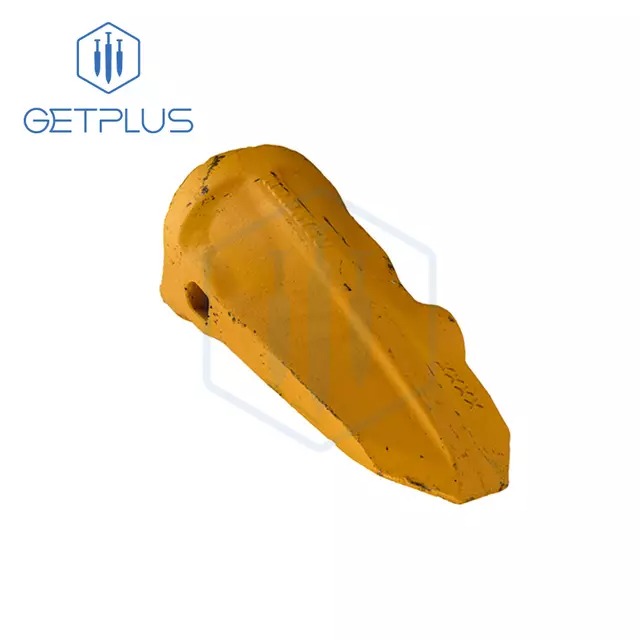
The fit between bucket teeth and adapters is essential for the overall performance of the bucket system. A proper fit ensures that the tooth remains securely attached to the adapter during operation, preventing the tooth from loosening or falling off. Additionally, a good fit helps to transfer the forces generated during digging evenly, resulting in better stability and efficiency.
Plus offers high-quality bucket teeth and adapters designed to work seamlessly together. Their engineered solutions ensure that the fit between the two components is optimized for maximum performance and durability, even in the toughest working conditions.
The right combination of bucket teeth and adapters can make a significant difference in the efficiency of your bucket system. When the teeth and adapters are perfectly matched, the bucket will perform more effectively, with smoother penetration and reduced wear.
For example, Plus provides a complete system of bucket teeth and adapters that are designed to ensure compatibility, improving both the efficiency and lifespan of the equipment. By selecting the right components as a system, you can achieve greater digging efficiency and reduce the need for frequent part replacements.
For everyday digging tasks, such as excavating soil, gravel, or loose dirt, standard bucket teeth are usually sufficient. These teeth offer a good balance between digging performance and wear resistance, making them ideal for general-purpose earthmoving applications. They are versatile enough to handle a variety of materials without compromising on efficiency or service life. Their design ensures reliable performance in typical construction and landscaping projects.
When working in tougher materials like rock, compacted soil, or hard clay, specialized bucket teeth are needed. These teeth are designed with reinforced tips and made from more robust, durable materials to improve penetration and withstand the added stress from tough digging environments. Their reinforced structure ensures better performance and a longer lifespan, even in the most challenging ground conditions. They are the go-to choice for heavy-duty digging and construction work in harsh environments.
For projects that involve high volumes of material handling, wider bucket teeth may be required. These teeth are designed to scoop and load large amounts of material quickly, making them ideal for jobs where speed and efficiency are critical, such as bulk material handling or mining. The wider design allows for faster loading and better material retention, reducing the number of cycles needed to complete a task.
Tip: Ensure that the bucket teeth selected for high-volume loading applications are wide enough to handle the material without causing excessive wear, which can negatively impact efficiency and increase operational costs.
Choosing the adapter starts from compatibility. It must fit the tooth series, locking style, and bucket lip arrangement. If one part comes from a different system, problems may show up during installation or service. This is why system matching should be checked before price alone. Machine size matters too. A compact machine does not need the same adapter build as a large excavator in quarry work. The bucket lip, the expected digging force, and the working cycle all influence the correct choice. A stronger machine often needs an adapter built for greater load and longer service intervals.
1. Confirm the tooth series and locking style first.
2. Check bucket lip size and mounting method next.
3. Compare machine class and actual working condition.
4. Review service access and replacement routine.
5. Order from a supplier that can support repeat consistency.
Selection Factor | What to Check |
Tooth compatibility | Same series, same locking system |
Bucket lip fit | Correct dimensions and mounting style |
Machine class | Load level suits the equipment |
Application | Earthmoving, rock, loading, mixed work |
Service planning | Easy part access and repeat supply |
Ensure that all these factors align when selecting the right adapter for your bucket teeth system. Proper selection not only ensures optimal performance but also minimizes downtime by reducing the frequency of part replacements and service disruptions.
When selecting bucket teeth and adapters, always consider the material quality. High-quality, wear-resistant materials will extend the lifespan of the components, reducing the frequency of replacements and minimizing downtime. Look for materials that can withstand the constant pressure and friction faced during excavation. Tougher materials increase durability, saving costs in the long run.
It’s essential to select bucket teeth and adapters as a complete system. By ensuring compatibility between the two, you can optimize performance and minimize the risk of damage or failure. A well-matched system ensures that both parts work together seamlessly, improving overall bucket efficiency and reducing the need for costly repairs.
Tip: Plus provides bucket teeth and adapters that are designed as a complete system, ensuring that each component works seamlessly with the other, leading to better digging performance and less wear.
When choosing bucket teeth and adapters, plan for easy maintenance and availability of replacement parts. Having a reliable source for spare parts will help reduce downtime and keep your equipment running smoothly. Efficient service access ensures that parts are replaced quickly, minimizing lost productivity.
Consideration Factor | Why It Matters |
Spare parts access | Reduces downtime, ensuring quick part replacement |
Service intervals | Helps in scheduling maintenance, preventing unnecessary delays |
Part compatibility | Ensures the system functions smoothly without issues |
Planning for maintenance can significantly enhance your operational uptime and efficiency, making your machine more reliable on-site.
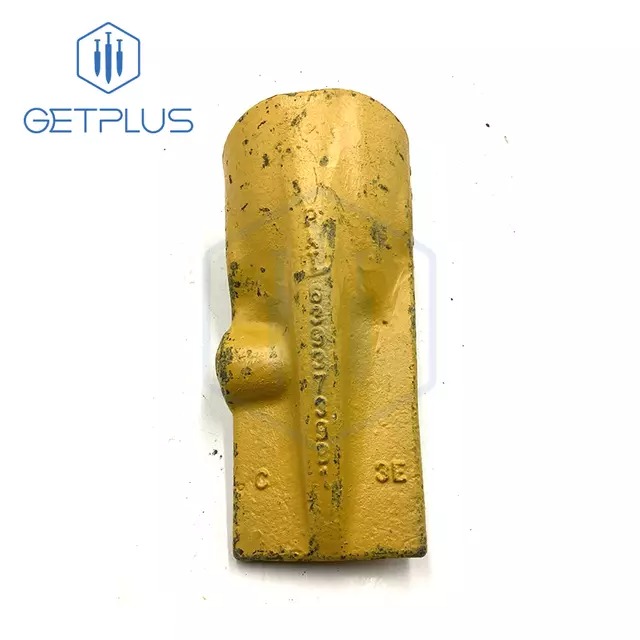
A simple checklist helps buyers avoid rushed decisions. It also helps sales and service teams speak the same language during ordering. The goal is not only to buy a part. It is to buy the right system for the actual job.
Before You Buy | Questions to Ask |
Bucket teeth | What material are we digging? Which profile suits it best? Does it match the current adapter system? |
Adapters | Does it fit the bucket lip and tooth series? Does it suit the machine size and workload? |
Full system | Are pins and retainers included? Can the supplier support repeat orders? |
Service planning | How often will we inspect? Which spare parts should stay in stock? |
You can also use this short field checklist during evaluation:
● Look at the real ground condition, not only the machine model. One machine may face very different material from site to site.
● Check if the tooth and adapter come from the same matched system. It often makes fit, installation, and later replacement easier.
● Review stock planning before the job starts. It helps crews avoid delays during routine wear part changes.
Note: A matched system usually saves more time over months of work than a low upfront price saves on day one.
In conclusion, bucket teeth and adapters are both essential components of a bucket system, each serving a distinct function. Bucket teeth are the cutting edge, designed to penetrate and break through materials, while adapters provide the stability and support needed to keep the teeth securely attached. Choosing the right combination of bucket teeth and adapters, such as those offered by Hubei Plus Import&Export Trading Co., Ltd., can significantly improve your machine’s performance, reduce maintenance costs, and extend the lifespan of your equipment. By selecting the appropriate parts for your specific application, you can ensure greater digging efficiency, better stability, and more reliable bucket operation. Proper selection and maintenance of bucket teeth and adapters can greatly enhance your equipment's productivity and reduce operating costs.
A: Bucket teeth are the cutting parts of a bucket system, designed to penetrate and break through materials like soil, rock, and gravel. Adapters, on the other hand, connect the bucket teeth to the bucket lip and provide stability and support during operation. While bucket teeth handle direct contact with materials, adapters hold the teeth in place and transfer forces from the teeth to the bucket.
A: Bucket teeth wear out faster because they are exposed directly to the material being dug. They face constant abrasion and stress during the digging process. In contrast, adapters are positioned behind the bucket teeth and are not subject to the same level of direct wear, leading to longer service life.
A: When selecting bucket teeth, consider the type of material you will be working with, such as rock, soil, or gravel. For tougher materials, opt for penetration-style bucket teeth. For lighter materials, general-purpose teeth may be sufficient. Always match the bucket teeth to the application to improve digging efficiency and minimize wear.
A: Not all adapters are compatible with every type of bucket teeth. It’s essential to select an adapter that matches the tooth series and locking style. Using the wrong adapter may result in poor performance, unstable fit, and increased wear.
A: Regularly inspect your bucket teeth and adapters for wear and damage. Proper maintenance, such as lubricating the connections and replacing worn-out parts in time, can significantly extend the lifespan of both components. Choosing high-quality bucket teeth and adapters from reliable suppliers like Hubei Plus Import&Export Trading Co., Ltd. also ensures durability and better performance over time.


