
Views: 0 Author: Site Editor Publish Time: 2024-12-24 Origin: Site


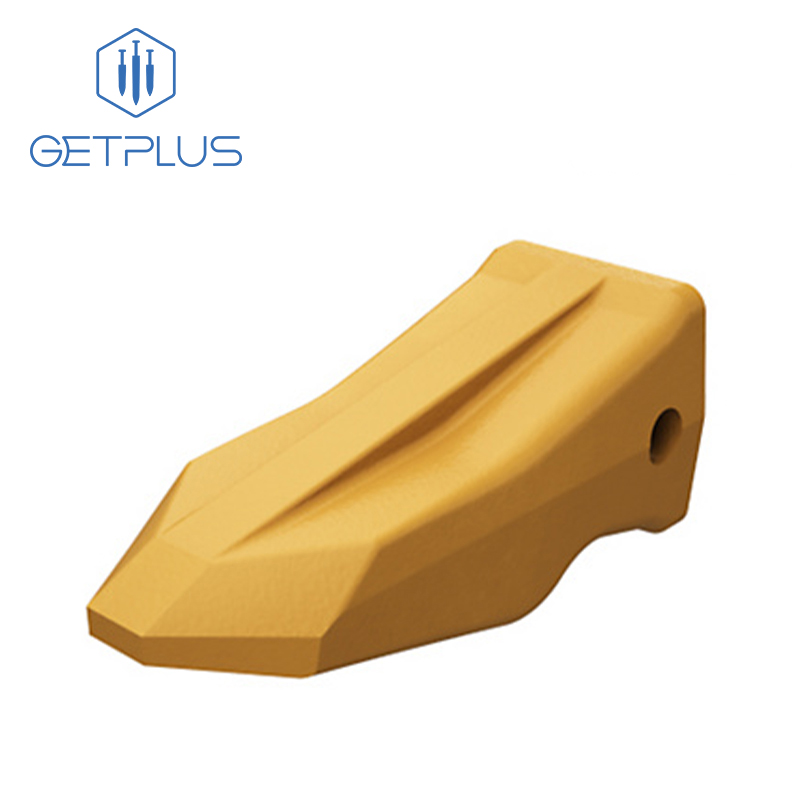
When it comes to heavy machinery, especially loaders used in construction, mining, and earthmoving, one of the most critical components for efficiency and durability is the bucket tooth. These parts are subject to constant wear and tear due to the demanding nature of their job, as they come into direct contact with rough, abrasive materials like rocks, soil, and gravel. Proper maintenance and timely bucket tooth replacement are key to ensuring that your loader operates at its peak performance.
In this comprehensive guide, we will explore how often bucket tooh should be replaced, factors that affect their lifespan, signs of wear, and how to choose the best replacement tooth for your loader.
A bucket tooth is not a lifetime part. Over time, it will wear down due to constant use. If left unchanged, a worn-out bucket tooth can cause several issues:
Reduced Performance: Worn tooth may no longer penetrate the ground effectively, which can slow down your work and decrease productivity.
Damage to Other Components: A dull or worn-out tooth can damage the bucket or other vital parts of the loader.
Increased Operating Costs: If the bucket tooth wears down too far, you might face higher repair and maintenance costs for other equipment components.
Increased Fuel Consumption: A worn tooth reduces efficiency, meaning your loader will need more power to complete tasks, resulting in higher fuel consumption.
Replacing the bucket tooth on time ensures that your loader operates efficiently and reduces the potential for costly repairs or downtime.
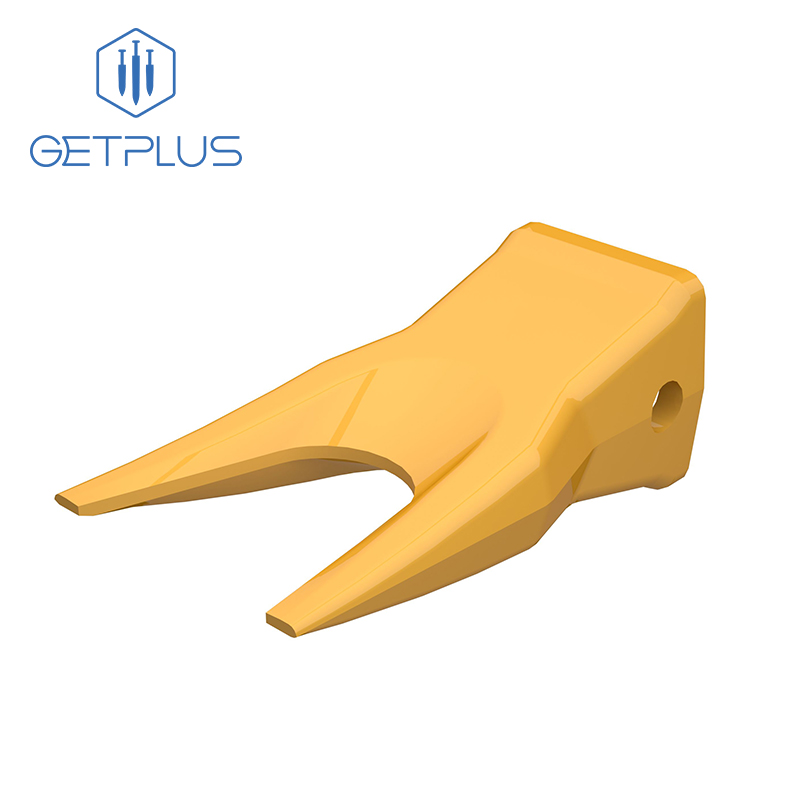
The frequency of bucket tooth replacement depends on several factors, including the type of work your loader performs, the material being excavated, the quality of the tooth, and the overall wear and tear on the machine. Below are some general guidelines:
If your loader is used for general construction work, you may need to replace the bucket tooth every 500-800 hours of operation. For more intensive work, like digging in rocky or abrasive conditions, the tooth may need to be replaced more frequently, typically every 200-400 hours.
The type of material your loader is digging into plays a huge role in determining how quickly the bucket tooth will wear down. For example:
Soft soil, sand, or gravel: If you're working in softer materials, the bucket tooth will last longer, and you may only need to replace it after 500-800 hours.
Rock, clay, or abrasive materials: If the loader is regularly handling hard materials like rock or compacted clay, the tooth will wear much faster. In these cases, you might need to replace the tooth every 200-400 hours of operation.
At GETPLUS, we offer a wide range of bucket tooth suited for various materials and conditions, from standard bucket tooth for light work to abrasive penetrating tooth for tough rock digging and heavy-duty tooth for the harshest environments.
Regular inspection is key to knowing when it’s time to replace the bucket tooth. Look for the following signs of wear:
Dull or Rounded Tooth: If the points of the bucket tooth are no longer sharp or have become rounded, it’s time for a replacement.
Cracks or Chips: Any visible cracks or chips in the tooth can affect its performance and are a clear indicator that replacement is necessary.
Excessive Length Reduction: Over time, the tooth will gradually shorten as the material is worn away. If the tooth has worn down by 30-50% of its original length, it should be replaced.
If you notice a drop in your machine’s performance or productivity, it may be time to replace the bucket tooth. A worn-out tooth can cause the loader to work harder, consuming more fuel and reducing efficiency. If the loader is struggling to penetrate the ground or material, it could indicate that the tooth are no longer effective and need to be replaced.
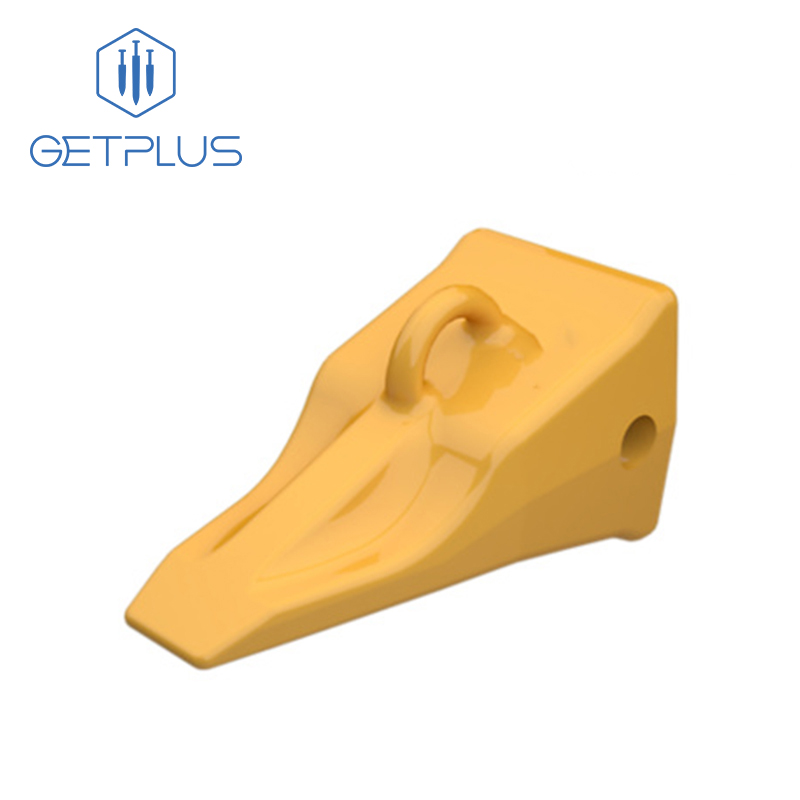
Regular inspections are essential to detect wear on your bucket tooth before it leads to significant damage or performance issues. Here's how you can check:
Visual Inspection: Look for any obvious signs of wear, such as cracks, chips, or rounded points. You can also check for excessive length reduction.
Penetration Test: Try using the loader on the same materials as usual. If you notice a significant decrease in penetration or the loader struggles to dig, it’s likely that the bucket tooth needs to be replaced.
Check for Vibrations: If your loader starts vibrating more than usual during operation, it could indicate that the bucket tooth are no longer performing correctly.
To help determine when to replace your bucket tooth, consider these warning signs:
Reduced Performance: If the loader takes longer to complete tasks or struggles to penetrate the material, the bucket tooth may be dull and ineffective.
Visible Wear: Cracks, chips, or missing parts of the tooth are clear signs that it's time for a replacement.
Increased Operating Costs: If fuel consumption increases or you notice more strain on the machine, the bucket tooth may be worn out.
Choosing the right bucket tooth for your loader is just as important as knowing when to replace it. At GETPLUS, we offer a wide selection of bucket tooth to suit various types of loaders and applications:
For general earthmoving and construction tasks, standard bucket tooth are ideal. They are designed for light to moderate digging in softer materials and offer a balance of durability and cost-effectiveness.
When working in harsh conditions like rocky terrains or compacted soil, abrasive penetrating tooth are the best option. These tooth are specially designed to withstand the high abrasion levels encountered during rock digging and provide superior performance in demanding conditions.
For even more demanding tasks, heavy-duty bucket tooth are the solution. These tooth are made from high-strength steel and are capable of handling extremely tough materials like dense clay, large rocks, or frost.
Inspect the tooth for visible signs like dullness, cracks, chips, or excessive wear. If the tooth are no longer sharp or have significantly reduced in size, it’s time to replace them.
The lifespan of a bucket tooth depends on usage, material type, and environmental conditions. On average, bucket tooth may last between 500 and 800 hours for light work, but they may wear out in 200 to 400 hours in abrasive or heavy-duty conditions.
It’s important to use bucket tooth that are designed for your loader’s specific make and model to ensure a proper fit and optimal performance. At GETPLUS, we offer bucket tooth that are compatible with a wide range of popular brands, including CAT, KOMATSU, and HITACHI.
Replacing your bucket tooth on time ensures better performance, reduces wear on other components, minimizes downtime, and helps keep operating costs low.
Replacing your bucket tooth at the right time is crucial for maintaining the efficiency and longevity of your loader. Regular inspections, paying attention to wear signs, and selecting the right type of tooth for your specific work conditions are essential for ensuring that your loader operates at its best. At GETPLUS, we offer high-quality bucket tooth for all types of loaders, including abrasive penetrating tooth, heavy-duty tooth, and standard options, ensuring you have the perfect fit for any job. With our advanced manufacturing capabilities and a wide selection of compatible tooth for global brands, you can rely on us for cost-effective, durable solutions that meet your needs.


