
Views: 0 Author: Site Editor Publish Time: 2024-12-23 Origin: Site


When it comes to excavators, loaders, backhoes, and motor graders, the bucket tooth is a crucial component that significantly affects the efficiency and longevity of your machine. Whether you are engaged in construction, mining, or heavy-duty earthmoving, choosing the right bucket tooth for your equipment can make a world of difference in performance, durability, and cost-effectiveness. This comprehensive guide will walk you through everything you need to know about selecting the best bucket tooth for your needs, while addressing various work conditions and machinery types.
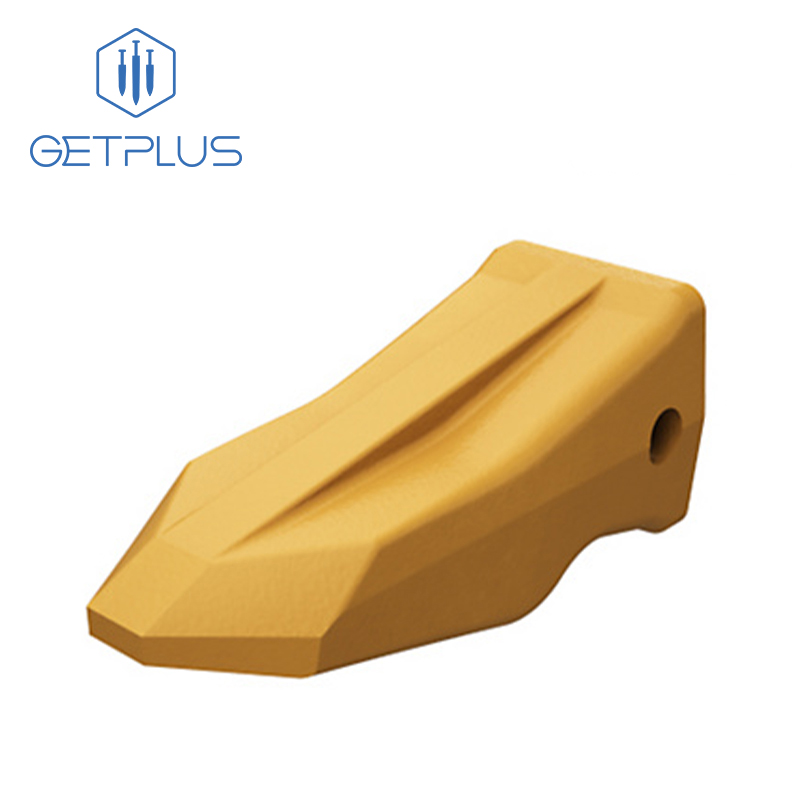
A bucket tooth is a critical part of an excavator’s, loader’s, backhoe’s, or motor grader's bucket. These specialized tooth are mounted on the leading edge of the bucket and are designed to dig, penetrate, and scoop up materials. Over time, as the bucket tooth comes into contact with abrasive materials, it wears down. Choosing the right type of bucket tooth ensures maximum efficiency, reduces downtime, and minimizes wear and tear, ultimately saving you money on maintenance and replacements.
For general earthmoving or light-duty tasks, such as digging in soft soil, gravel, or sand, standard bucket tooth are often the most suitable choice. These tooth are designed for moderate wear and are ideal for excavators and loaders used in construction and landscaping.
When working in rocky or extremely tough conditions, penetration bucket tooth are your best bet. These tooth are engineered to cut through dense and abrasive materials like rock, clay, or compacted soil. The bucket tooth design focuses on sharpness and durability, ensuring maximum performance when breaking through tough surfaces.
For operations that require continuous digging in tough materials, such as granite or dense compacted earth, heavy-duty bucket tooth are essential. These tooeeth are crafted from high-strength steel and incorporate advanced casting and forging technologies to enhance their ability to withstand constant stress and strain.
Choosing the appropriate bucket tooth for your equipment depends on several factors, including the type of work, the material being excavated, and the machinery used. Below are the key considerations when selecting the right bucket tooth:
Different machines have varying bucket tooth requirements based on their size and tonnage. Whether you’re working with an excavator, loader, backhoe, or motor grader, it’s essential to match the bucket tooth with the specific ton class of your equipment. For example, a small excavator may require a lighter bucket tooth, while a large motor grader used for road construction will need a more robust tooth designed for tough conditions.
| Machine Type | Recommended Bucket Tooth |
|---|---|
| Excavators (5-20 tons) | Standard or Penetration Tooth |
| Loaders (5-15 tons) | Heavy Duty or Standard Tooth |
| Backhoes (4-12 tons) | Light Duty or Penetration Tooth |
| Motor Graders (12+ tons) | Heavy Duty or Extreme Penetration Tooth |
The type of material you’re working with plays a huge role in determining the appropriate bucket tooth. For instance, when digging in soft soil or sand, a standard bucket tooth will suffice. However, if you're working with rocky, frozen, or extremely abrasive materials, you’ll need penetration bucket tooth or even heavy-duty options made from highly durable materials like tungsten carbide.
Standard Bucket Tooth: Best for soft soil and general earthmoving tasks.
Penetration Bucket Tooth: Ideal for digging in hard, rocky, or compacted materials.
Heavy Duty Bucket Tooth: Designed for extreme conditions, like heavy rock, clay, or frost.
Another important consideration when choosing a bucket tooth is the manufacturing process. Modern bucket tooth are made using either casting or forging technologies, both of which offer distinct advantages:
Casting: Involves pouring molten steel into molds to create the bucket tooth shape. This method is more cost-effective for producing standard and lighter-duty tooth.
Forging: A more advanced process that involves heating metal and shaping it under high pressure. Forged bucket tooth are often more durable and resistant to wear, making them the preferred choice for heavy-duty and high-stress applications.
At GETPLUS, we offer both cast and forged bucket tooth, giving you the flexibility to choose the best option for your specific needs.
The design of the bucket tooth is crucial for its performance. The tooth should have an optimized shape that allows for efficient digging and penetration. A well-designed bucket tooth will reduce the effort required for excavation, increase productivity, and minimize wear. Common designs include:
Sharp Pointed Tooth: Ideal for breaking through compacted material or rock.
Flat Tooth: Suitable for general digging in soft to medium materials.
Heavy-Duty Tooth: Reinforced for cutting through the toughest of materials.
The longer the bucket tooth lasts, the more cost-effective it becomes. Tooth made from high-quality steel and those treated with advanced forging or casting methods generally offer superior wear resistance and longer lifespans. If you’re working in tough conditions, opting for a more durable bucket tooth can save you money in the long run by reducing the frequency of replacements.
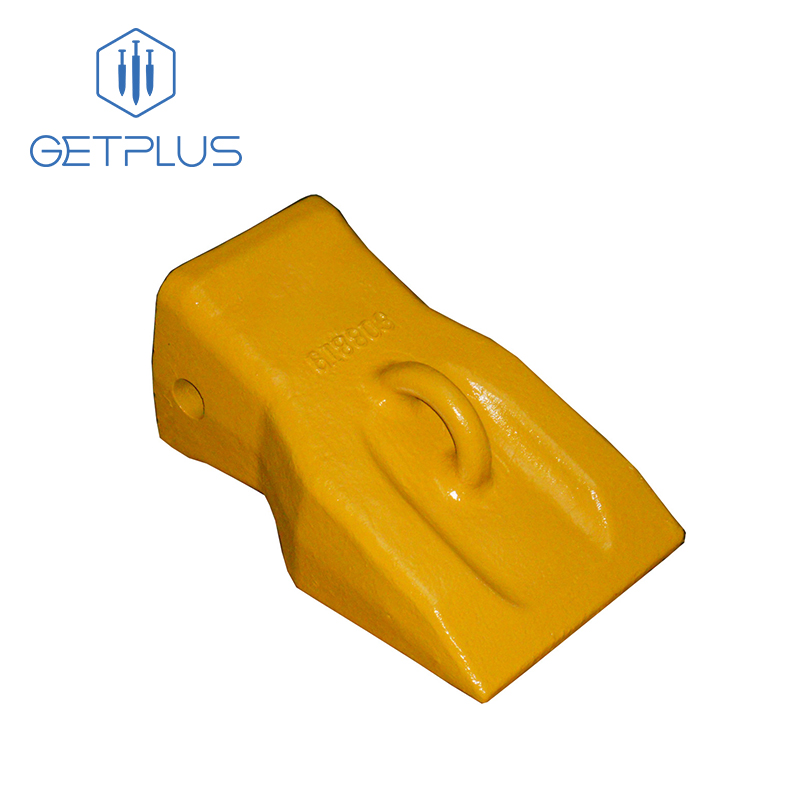
At GETPLUS, we manufacture bucket tooth that are compatible with major global brands, ensuring that you can find the right fit for your machine no matter what brand you operate. Our products are widely applicable for:
CAT
KOMATSU
HENSLY
MTG
ESCO
DOOSAN
HYUNDAI
HITACHI
VOLVO
KOBELCO
SANY
LIUGONG
SDLG
SHANTUI
This wide compatibility ensures that no matter what brand your machine is, GETPLUS can provide a bucket tooth that meets your specific needs.
Bucket tooth are typically made of high-strength steel, with some models incorporating advanced materials like tungsten carbide or chrome alloys to improve wear resistance and durability.
The right bucket tooth depends on the ton class of your machine and the material you are working with. For softer materials, standard tooth are usually sufficient, while tougher tasks demand penetration or heavy-duty tooth.
Bucket tooth should be replaced when they show signs of excessive wear, such as significant reduction in length or sharpness. This varies based on usage, but a general rule is to inspect them regularly and replace them when they no longer provide optimal performance.
While bucket tooth are designed to be compatible with various brands, it’s always best to choose tooth specifically designed for your machine’s model to ensure optimal fit and performance.
Casting involves pouring molten steel into molds to create the tooth, while forging shapes metal under high pressure. Forged tooth tend to be more durable and resistant to wear, making them ideal for heavy-duty applications.
Selecting the right bucket tooth for your excavator, loader, backhoe, or motor grader is crucial for maximizing productivity, reducing downtime, and minimizing overall operating costs. By considering factors such as material type, machine tonnage, and the durability of the tooth, you can ensure your equipment performs at its best. Whether you're working in soft earth or challenging rocky terrain, GETPLUS offers a wide variety of bucket tooth designed to meet the needs of any job. From casting to forging technologies, our tooth provide excellent wear resistance, long life, and optimized performance for any task.


