
Views: 0 Author: Site Editor Publish Time: 2026-03-13 Origin: Site


Ever notice your excavator digging slower than usual? Worn bucket teeth are often the hidden reason behind lost speed and rising fuel use. Replacing them on time keeps the bucket cutting cleanly and protects key parts. It also helps crews avoid delays and unexpected repair bills.
In this article, we explain how to replace bucket teeth quickly and safely. You will learn which tools to prepare, which steps matter most, and what mistakes to avoid. We also look at tooth types and simple habits that support longer service life. For teams seeking reliable wear parts, brands like Plus can also support smoother replacement work and more consistent field performance. If you want faster maintenance and steadier digging results, start here.
Worn-out bucket teeth can significantly decrease the performance of your excavator. As the teeth become blunt, the machine requires more power to dig, which increases fuel consumption. Additionally, the ability to penetrate tough materials, such as rock or compacted soil, is compromised, leading to slower progress and more effort needed to complete tasks.
Plus provides high-quality, durable bucket teeth that ensure efficient and fast digging performance. Using sharp and well-maintained teeth makes your excavator more fuel-efficient, ultimately saving you time and costs on the job.
When bucket teeth wear down or break, the remaining metal parts of the bucket can come into contact with the ground, causing damage to the bucket itself and even the shanks or adapter. Replacing the teeth at the first sign of wear can prevent costly repairs and prolong the life of your excavator's components.
Maintaining sharp and functional teeth also prevents excessive wear on the rest of the bucket system, ensuring that your equipment remains reliable for longer periods of time.
Many teams delay replacement because the old teeth still look usable. In practice, this often costs more. Slow digging, higher fuel use, and added wear can quietly increase operating cost long before a tooth fully fails.
Plus builds bucket teeth, pins, retainers, and related wear parts for demanding conditions, so it fits well into a maintenance plan focused on long service life and dependable replacement cycles. Good parts do not remove maintenance, but they often make it more predictable and easier to schedule.
Maintenance factor | Replace on time | Replace too late |
Digging speed | More consistent | Often slower |
Fuel use | More controlled | Often higher |
Adapter protection | Better | More risk of wear |
Downtime risk | Lower | Higher |
Repair cost trend | Easier to manage | Can rise quickly |
Note: If one tooth wears much faster than the others, inspect the adapter and digging pattern before installing a new set.
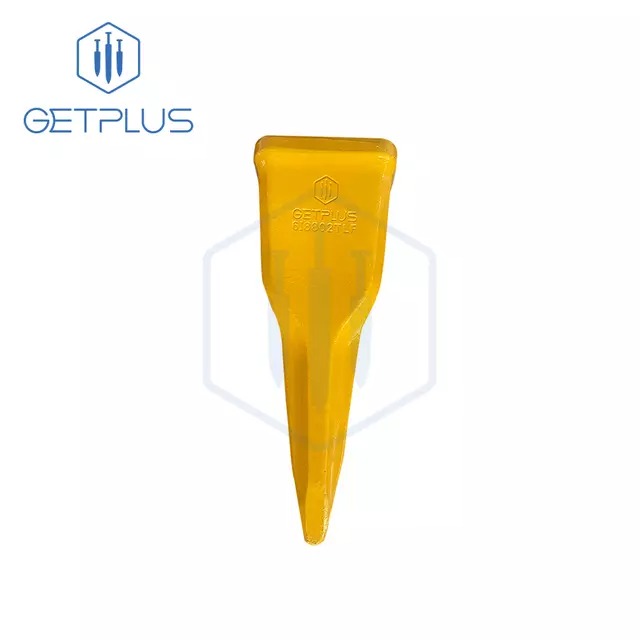
Excavator bucket teeth come in various designs, each suited for different applications. Understanding the types of bucket teeth and their uses can help ensure you're choosing the right ones for your project.
Chisel teeth are ideal for digging soft and loose materials like soil, sand, and gravel. Their sharp design helps penetrate the material efficiently, providing quicker and smoother excavation. Plus offers high-performance chisel teeth that enhance digging capability, reducing operating time and effort.
For harder materials like iron ore, rock, and compacted soil, rock teeth are the best choice. These teeth are built with high wear resistance to withstand tough digging conditions. If you're working in a more abrasive environment, Plus rock teeth are designed to handle the most demanding conditions without frequent replacements.
Tiger teeth focus on penetration. They perform well in compacted soil, clay, frost, and other dense ground where quick entry is important. Single and twin forms are both common, and the right choice depends on the balance between penetration and wear life.
Tooth type | Best use | Main advantage |
Chisel tooth | Soil, sand, gravel | Smooth general digging |
Rock tooth | Rock, abrasive ground | Strong wear resistance |
Tiger tooth | Clay, compact soil, frost | Deep penetration |
When buyers source replacement parts in volume, they should also check system compatibility. Tooth size, adapter fit, and pin style matter as much as tooth shape. A wide product range, such as the one Plus offers across tooth and adapter systems, can help simplify sourcing across mixed fleets.
A quick replacement job starts before the hammer moves. We need the correct tools laid out in advance, and each one should match the tooth system on the bucket. A rushed setup usually adds time later.
The core tool set is simple, but each item has a clear role. A pin removal tool helps drive out old pins cleanly. A hammer or small sledge helps when the pin is tight or corroded. A wrench or socket set may be needed on systems using fasteners instead of basic roll pins. A wire brush clears the adapter nose, and gloves plus eye protection help keep the job safe and controlled.
Tool | What it does | Why it matters |
Pin removal tool | Drives out old pin | Speeds removal |
Hammer or sledgehammer | Frees stubborn parts | Saves effort |
Wrench or socket set | Handles fasteners | Prevents damage |
Wire brush | Cleans adapter | Improves fit |
Gloves and goggles | Protect the operator | Reduces injury risk |
A clean tool bench also helps. If pins, new teeth, and retainers are already sorted, the crew avoids back-and-forth delays. It sounds basic, but good preparation often saves more time than extra force.
This tool is essential for removing the old pins that secure the bucket teeth. It helps you remove the roll pins or lock pins efficiently without damaging the bucket or adapter. Using a compatible pin removal tool ensures that you can replace the teeth quickly and securely.
A hammer is essential for driving in new pins, while a sledgehammer comes in handy for removing stubborn pins that may be difficult to budge with a standard hammer. These tools will allow you to complete the task faster, especially when dealing with pins that are stuck or corroded.
A good wrench and socket set is necessary for loosening and tightening the bolts and fasteners during installation. It is important to use the correct size to prevent stripping the bolts or damaging the adapters. A well-matched tool also helps improve control and makes the installation process smoother and faster.
Before installing new teeth, use a cleaning brush to remove dirt, rust, and debris from the shanks. This step ensures that the new teeth fit properly and function effectively. For stubborn dirt, a wire brush can be very useful. A cleaner surface also helps reduce fitting issues during installation.
Safety gear, such as gloves and goggles, is crucial when working with heavy machinery. Always wear protective equipment to prevent injuries while handling tools and parts during the replacement process. Even a simple replacement job can involve flying debris or sudden tool movement.
Once the tools are ready, the replacement process becomes much easier to manage. The key is to follow a clear order, so each step supports the next one and helps avoid fitting problems later. From stabilizing the bucket to securing the new pin, every part of the process plays a direct role in keeping the new bucket teeth installed correctly and working efficiently.
Step | What to Do | Why It Matters |
Prepare the Excavator | Stabilize the bucket, turn off the machine, wear safety gear, and adjust the bucket height. | Improves safety and makes the teeth easier to reach. |
Remove Old Teeth | Remove the old pins with a pin tool. Use a sledgehammer if needed. | Helps take off worn teeth safely and smoothly. |
Clean the Shanks | Brush away dirt, rust, and debris from the shanks. | Helps the new teeth fit properly. |
Install New Teeth | Align the new teeth, slide them on, and secure them with a new pin. | Keeps the teeth firm and ready for work. |
A simple, organized workflow like this can save time and reduce mistakes during maintenance. It also helps ensure the new bucket teeth stay secure and deliver consistent performance in daily work.
For pins that are difficult to remove, a sledgehammer can help break them free. Applying a few solid strikes can dislodge even the most stubborn pins, making the job faster and more efficient. Be sure to strike carefully and keep the tool aligned to avoid damaging nearby parts.
If the teeth are stuck, using leverage can help remove them without damaging the equipment. Place a pry bar underneath the tooth and apply steady pressure to lift it out. Controlled force usually works better than sudden movement and helps protect the adapter surface.
For teeth that are especially difficult to remove, use lubricants or heat to loosen them. A penetrating oil or heat from a torch can soften rust and make the removal process easier. Let the lubricant sit for a short time before trying again for better results.
Even a simple replacement job can go wrong if a few basic steps are overlooked. Paying attention to preparation, tool choice, and cleaning can make the process safer and help the new parts perform as expected.
● Forgetting Safety Gear
Never skip your safety gear. Gloves and goggles are essential for protecting yourself from flying debris or accidents while working on the machinery.
● Using Wrong Tools
Using the wrong tools can damage the bucket or teeth, leading to unnecessary delays and added costs. Always ensure you're using the correct size and type of tool for the job.
● Skipping the Shank Cleaning
Cleaning the shanks is a critical step. If you skip this step, the new teeth may not fit properly, leading to premature wear and tear.
Maintaining your bucket teeth ensures that your excavator can dig more efficiently. Well-maintained teeth penetrate the ground more easily, reducing fuel consumption and improving overall performance. They also help the bucket move through material more smoothly during daily operation.
Regular replacement of worn bucket teeth helps extend the lifespan of your excavator by preventing unnecessary strain on the bucket and other components. This simple habit also helps protect adapters and reduces wear on the bucket edge over time.
Proper maintenance of bucket teeth reduces the need for expensive repairs and downtime. By investing in high-quality products like Plus bucket teeth, you can save money on long-term maintenance. Better wear resistance also means fewer replacements and more stable operating costs.
Replacing bucket teeth quickly helps keep your excavator efficient, stable, and ready for daily work. When you use the right tools, follow a clear process, and inspect parts regularly, you can reduce downtime, protect the bucket system, and improve digging performance. Regular checks also help prevent heavy wear before it affects adapters or other key parts. Hubei Plus Import&Export Trading Co.,ltd. provides durable bucket teeth and related wear parts designed for reliable fit, strong wear resistance, and smooth replacement. Their products help operators save time, lower maintenance pressure, and keep machines working longer in demanding conditions. Choosing quality parts and consistent service support brings real value to jobsite productivity and long-term equipment care.
A: Bucket teeth are wear parts fixed to the front edge of an excavator bucket. They help the bucket cut into soil, clay, gravel, and rock more efficiently.
A: To replace bucket teeth quickly, stabilize the bucket, remove the old pin, slide off the worn tooth, clean the adapter, then fit the new tooth and lock it with a new pin.
A: Worn bucket teeth reduce penetration, slow digging, and increase fuel use. Timely replacement also helps protect adapters and other bucket parts from extra wear.
A: The cost of bucket teeth replacement depends on tooth type, material, machine model, and whether adapters or pins also need changing. Regular inspection usually helps avoid higher repair costs later.
A: Bucket teeth for hard ground are usually rock teeth because they offer stronger wear resistance. Chisel teeth are more suitable for softer materials like soil, sand, and gravel.
A: Check the bucket teeth size, pin fit, and adapter condition first. A loose fit often means the pin is not fully seated or the adapter is already worn.


