


When it comes to securely mounting items like shelves, mirrors, or brackets on drywall or plaster, toggle bolts are a reliable and effective solution. These fasteners are especially useful when there are no studs behind the wall to provide support. Toggle bolts work by anchoring themselves within the hollow cavity of the wall, making them ideal for various installation projects where traditional screws fail.
In this guide, we’ll focus on toggle bolt installation for hollow-wall applications, providing a step-by-step process to help you understand how to properly use these fasteners. Although plow bolts are another type of fastening tool used in heavy-duty and outdoor environments, this article will explore toggle bolts in detail, highlighting their benefits for drywall and plaster installations. We’ll also discuss the durability and design of Plus toggle bolts, a trusted brand known for ease of use and strong load-bearing capacity.
Toggle bolts are designed to anchor objects securely into walls where studs are not present. They feature a spring-loaded wing that folds as it is inserted into the wall and then expands once inside, offering a wide surface area that distributes the load evenly. This mechanism allows toggle bolts to support more weight compared to standard screws or anchors, which may pull out of the wall under heavy pressure.
Toggle bolts excel in applications where there's no stud to anchor to, making them particularly useful for drywall or plaster. Some typical projects include:
Project Type | Description |
Hanging Shelves | Ideal for mounting heavy shelves where there is no stud behind the wall. |
Mounting Mirrors | Useful for mounting large mirrors that require strong wall support. |
Wall Brackets | Perfect for mounting brackets that hold heavy fixtures like televisions. |
Toggle bolts, especially Plus toggle bolts, are designed to support these applications and ensure a secure hold, even when no studs are available behind the wall.
Unlike regular screws or plastic anchors, which only work if there’s a stud to secure them, toggle bolts provide support in hollow walls where no stud is present. Their unique design allows the bolt to create a stable, anchored position in the wall cavity, making them far more reliable for certain applications. Plus toggle bolts are made of high-quality materials, ensuring they stay securely in place over time, even in areas with minimal support.
Selecting the appropriate size for your toggle bolt is crucial for a successful installation. Plus toggle bolts come in various sizes, and choosing the right one depends on the weight of the item you're mounting and the thickness of the wall. The bolt should be long enough to go through the fixture and the wall while ensuring the wings can expand properly inside the cavity.
Before drilling any holes, carefully mark the spot where you want to mount the fixture. Always check for hidden studs, electrical wires, or plumbing pipes to avoid drilling into something important. You can use a stud finder for accurate placement.
Toggle bolts require a hole that’s slightly larger than the width of the folded wings. Use a drill bit that matches the specifications of your toggle bolt’s wings to ensure a proper fit. The hole should be just big enough for the wings to fold through and then expand behind the wall.
Once you’ve drilled the hole, thread the toggle bolt through the fixture that you’re mounting. Attach the wing of the toggle bolt to the end of the bolt. The wing will fold as it is inserted into the wall and expand once it’s inside the cavity.
Insert the folded toggle bolt into the drilled hole. Once inside the wall cavity, the wings will expand and provide a stable base for the bolt, ensuring that the item remains securely mounted.
With the wings expanded inside the wall, pull the bolt back to ensure the fixture is held securely. Tighten the bolt until the fixture is flush against the wall, ensuring the toggle bolt is properly anchored.
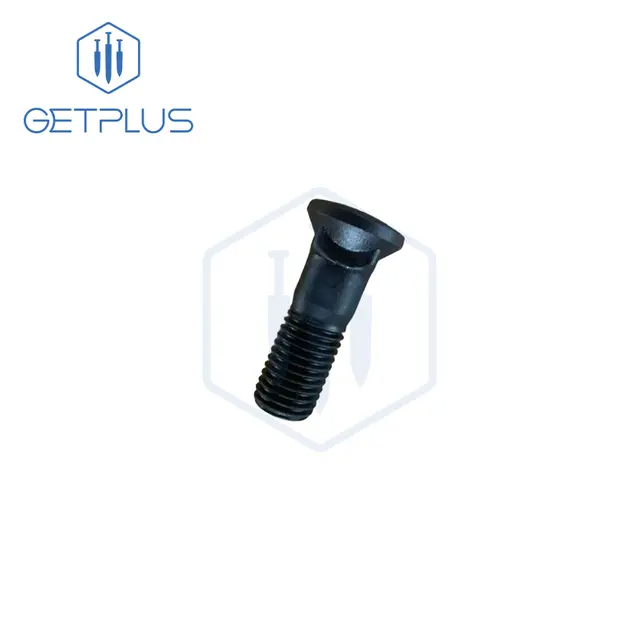
For a successful toggle bolt installation, it’s important to gather the right tools and materials. The following are essential for the job:
Tool | Purpose |
Drill | For making holes in the wall. |
Measuring Tape | To ensure correct placement of fixtures. |
Pencil | For marking the drilling points. |
Stud Finder | Helps locate studs, wires, or pipes in the wall. |
Toggle Bolts | Choose the right size and weight capacity based on your fixture. |
Having the right tools ensures a smooth installation process and helps you avoid errors that could affect the strength of the mount.
Always ensure that your toggle bolt is the correct length for the wall thickness. If your wall is too thin, the wings of the toggle may not open properly, while a bolt that's too long could cause unnecessary strain. Additionally, make sure the bolt is long enough to securely hold the fixture and withstand the weight being applied.
When installing heavier items like shelves, it’s important to ensure that the fixture is level. Use a level tool to check that your mounting points are even before drilling holes. This will help you avoid crooked fixtures and give your installation a polished look.
If you’re installing a particularly heavy item, using washers on the bolt can increase the surface area and reduce the risk of the bolt pulling out over time. Plus toggle bolts can be paired with washers to enhance the support of larger or heavier objects.
Tighten the toggle bolt carefully to avoid over-tightening, which can damage the wall or the fixture. A good rule of thumb is to stop tightening once the fixture is securely in place without putting undue pressure on the wall.
When selecting the right fastener for your project, it’s important to understand the differences between toggle bolts and plow bolts. Both are strong and reliable, but they are designed for very different applications.
Toggle bolts are specifically designed for use in hollow walls, making them ideal for indoor installations such as hanging shelves, mirrors, or brackets. Their unique design allows them to expand behind the wall, offering strong support without the need for studs. On the other hand, plow bolts are primarily used for outdoor and heavy-duty applications. They are commonly used in industrial or mechanical settings, where the demands are much higher.
Let’s take a look at the key differences and when you should use each type of fastener:
Fastener Type | Best For | Application | Material & Design |
Toggle Bolts | Ideal for hollow wall applications, especially when no stud is available | Hanging shelves, mirrors, mounting brackets | Expands behind the wall to provide support in drywall or plaster |
Plow Bolts | Heavy-duty industrial and mechanical applications | Outdoor machinery, agricultural equipment, construction | Designed for outdoor use, typically found in tough, high-stress environments |
● Plow bolts are perfect for outdoor environments and heavy machinery due to their durability and strength. They are used where there’s a need to secure components under high pressure and stress, such as in industrial machinery.
● Toggle bolts, like those from Plus, are specifically designed for securing fixtures in hollow walls. These bolts are excellent for home installations like mounting mirrors or shelves. They balance strength and ease of use, making them ideal for drywall or plaster installations without the need for additional reinforcement.
Toggle bolts are essential when mounting fixtures to hollow walls. Here are the most common use cases for toggle bolts:
Use Case | Why Toggle Bolts Are Effective |
Hanging Mirrors | Provide secure support for large, heavy mirrors. |
Hanging Shelves | Perfect for mounting heavy shelves when no stud is available. |
Mounting Wall Brackets | Offer stable anchoring for brackets holding items like TVs or heavy fixtures. |
Plus toggle bolts are perfect for both vertical and horizontal mounting. The expanded wings provide a secure anchor inside the wall, making them ideal for long-lasting installations.
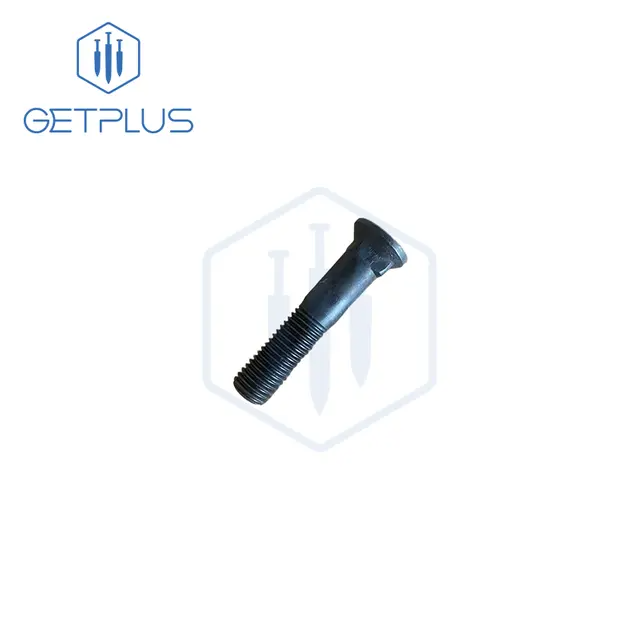
Mastering how to use toggle bolts involves understanding the right size, drilling techniques, and tightening methods to ensure a secure, lasting installation. Toggle bolts like Plus toggle bolts offer a reliable solution for mounting items on hollow walls, especially when studs are unavailable. Their strong design and easy-to-use mechanism make them a go-to option for securing shelves, mirrors, and other fixtures. Whether you're working on a home installation project or a more industrial setup, choosing the correct fastener ensures a strong and safe setup. Hubei Plus Import&Export Trading Co.,ltd. provides high-quality Plus toggle bolts that are specifically designed for drywall and plaster applications, offering value through durability, ease of use, and robust performance for various mounting needs.
A: A toggle bolt is a type of fastener used to secure items to hollow walls, such as drywall or plaster. It works by expanding behind the wall once inserted, creating a strong anchor that distributes weight evenly. This makes it ideal for mounting heavy items when studs are unavailable. While plow bolts are designed for industrial uses, toggle bolts are specifically for lightweight to medium-duty home installations.
A: Choosing the right toggle bolt size depends on the thickness of the wall and the weight of the item being mounted. The bolt should be long enough to go through both the fixture and the wall while ensuring the wings expand properly inside the cavity. If you're working with heavier items, consider Plus toggle bolts for their added durability. For industrial purposes, plow bolts are used for securing heavy machinery components.
A: The weight a toggle bolt can hold depends on the size of the bolt and the material of the wall. Generally, Plus toggle bolts can support between 30 to 100 pounds, making them suitable for most home installations. For extremely heavy loads, you may need to use a larger bolt or a different fastener like a plow bolt, which is more suitable for industrial applications.
A: Yes, toggle bolts are perfect for drywall, plaster, and other hollow wall materials. They are designed to provide a strong anchor when no stud is available behind the wall. However, for outdoor or heavy-duty applications, plow bolts are preferred due to their strength and suitability for tougher environments.
A: Toggle bolts are ideal when there’s no stud behind the wall to anchor a regular screw. Unlike screws, toggle bolts expand behind the wall, offering superior support for heavier items. For industrial-grade installations, plow bolts are a better choice for holding equipment under higher stress.


