
Views: 0 Author: Site Editor Publish Time: 2026-03-09 Origin: Site


Worn bucket teeth can quietly drain productivity long before obvious failure appears. Many crews notice the problem only after digging slows and fuel costs rise. These small parts affect penetration, cycle times, and the health of the bucket system. When they wear down, the machine works harder for every load. That often leads to extra stress on adapters, shanks, and locking areas. The longer they stay in service, the more likely it is that nearby parts will wear faster too.
In this article, you will learn the clearest signs to watch for. We will also cover performance changes, fit issues, and a simple inspection checklist. By the end, you will know when replacement makes sense and how to act before efficiency drops further.
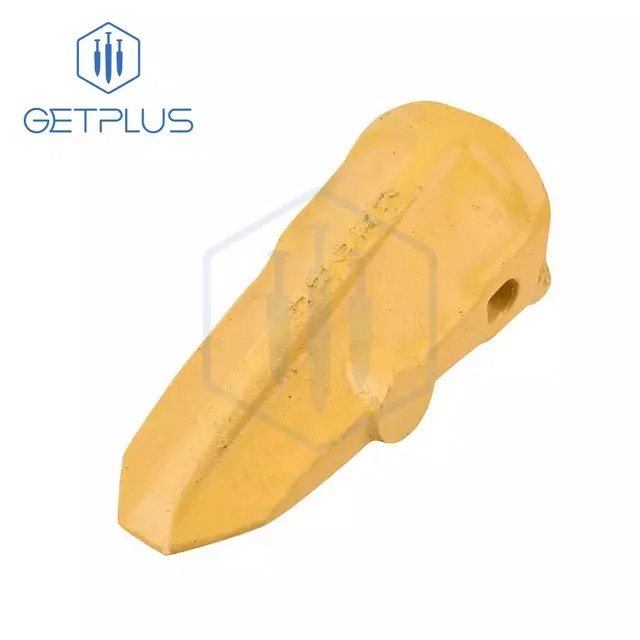
One of the easiest signs to spot is at the tip. Healthy bucket teeth keep a clear working profile. They look pointed enough to penetrate soil, gravel, or compacted ground without forcing the machine to push harder than necessary. When the tips become blunt or rounded, they stop cutting cleanly. Instead of slicing in, they push and drag.
In many cases, visible wear tells the story before performance data does. If the tooth profile looks much shorter than the original shape, or if wear has removed a large portion of the tip, replacement should move higher on the maintenance list. A practical rule many operators follow is this: once wear becomes obvious enough to change penetration, the teeth are no longer doing their full job.
Cracks and chips are stronger warning signs because they point to structural weakness, not just normal wear. A chipped edge reduces the effective cutting shape. A crack does even more. It raises the chance of sudden breakage during impact, especially in rock, frozen ground, or mixed material.
Even a small break matters. Once part of one tooth is missing, load distribution across the bucket changes. The remaining teeth take more stress, and uneven wear can speed up across the whole set. That means one damaged tooth can quickly become a bigger maintenance issue.
Many buyers focus on the tip and forget the sides. That is a mistake. Side wear often reveals how hard the teeth have been working and whether the tooth profile really matches the application. When the sides become thin, the tooth body loses strength. It may still look usable from the front, but it becomes more vulnerable to bending or breaking under pressure.
This matters even more in abrasive material. Rock, quarry conditions, and compacted ground can wear a tooth from the side until it looks narrow and weak. Once the section thickness drops too far, the tooth cannot handle impact the way it should.
The base area deserves close attention. Wear near the root, pin section, or locking contact point often creates fit problems before total tooth failure appears. Even if the front still looks usable, the connection may already be compromised. A worn base can allow movement, poor seating, or weak retention during real digging loads.
Below is a simple visual check guide for the most obvious wear signs:
Wear Area | What You See | What It Usually Leads To | Action |
Tip | Rounded, blunt, shortened profile | Slower penetration | Replace soon |
Edge | Chipped or cracked sections | Higher break risk | Replace immediately |
Side body | Thinner than original shape | Lower strength | Inspect full set |
Root or lock area | Flattened, worn contact points | Loose fit or poor retention | Replace and inspect adapter |
A quick comparison helps here. Hold a worn tooth beside a new one from the same profile if possible. The difference often becomes obvious right away. It saves time, and it reduces guesswork during ordering.
Operators often feel the change before they see it on paper. The same trench takes longer. The same loading cycle feels slower. The bucket enters the ground less smoothly than it used to. That usually points back to reduced penetration.
When bucket teeth lose their edge, the machine needs more effort to do the same work. Instead of cutting in quickly, it spends more time forcing the bucket into material. That slows the full cycle and reduces output over the day. Even a small drop in penetration can add up over many repeated passes.
Worn bucket teeth do not focus force as well as fresh ones. A sharp tooth concentrates force into a smaller contact area, which helps it bite into tough material. A worn one spreads that force out. The result is a softer, less effective entry.
This issue becomes easier to notice in hard soil, clay, compacted fill, or frozen ground. If the machine feels like it has less bite, but the hydraulic system and other machine functions seem normal, the bucket teeth deserve a close inspection.
Fuel cost rarely jumps all at once because of worn teeth. Instead, it rises slowly as resistance increases. The operator may use more throttle, spend longer on each pass, or make repeat motions to finish the same job. Over time, those small changes add cost and reduce consistency across the shift.
Here is a quick way to connect field symptoms to likely tooth wear:
● Longer cycle times usually point to weaker penetration.
● More pushing force often suggests rounded or shortened tips.
● Heavier machine feel can signal extra resistance at the cutting edge.
● Rising fuel use may reflect lost digging efficiency over many cycles.
Note: If the machine suddenly feels less effective in unchanged material, inspect the teeth before assuming a hydraulic issue.
A bucket tooth should fit snugly on the adapter. If it rocks, wobbles, or moves more than it should, internal wear may have progressed too far. Excessive play often means the fit surfaces are no longer holding properly, even if the outside still looks serviceable.
Loose fit is more than an annoyance. It can affect digging accuracy, increase impact shock, and raise the chance of broken or lost teeth in service. In harsh conditions, that kind of movement can also damage the adapter nose over time.
Small connection parts do big work. Pins and retainers keep the tooth seated under repeated loading, shock, and vibration. If they no longer hold firmly, the problem may not sit only in the pin. It may involve wear around the locking groove, the base of the tooth, or the adapter nose. In other words, the retention issue is often a system issue.
A loose locking area also raises practical risks. Teeth may shift during digging, wear faster at the base, or become harder to install correctly. In severe cases, they can loosen enough to come off during operation. That creates lost time, replacement cost, and unwanted interruption on site.
To inspect fit-related issues, use this short checklist during routine maintenance:
1. Check each tooth by hand for unwanted movement.
2. Look for worn pin holes or damaged retainers.
3. Inspect the seating area for gaps or uneven contact.
4. Compare one loose tooth against a secure one nearby.
5. Review the adapter nose for unusual wear marks.
These steps take little time, yet they often catch retention problems before they turn into downtime.
Even wear across the full set is usually a good sign from an inspection point of view. It suggests the teeth have been working in a balanced way and the profile selection is generally suitable for the job. In this case, replacement timing is easier to plan because the wear pattern is predictable.
That kind of pattern helps crews schedule parts orders before performance drops too far. It also makes it easier to replace the set as part of planned maintenance instead of waiting for an urgent issue.
Spot wear tells a different story. If one or two teeth wear much faster than the others, or if wear is concentrated in unusual areas, something may be off. It could be the digging habit, the material mix, or the tooth profile itself.
For example, a profile made for general earthmoving may not hold up well in highly abrasive or high-impact ground. In those cases, the wear pattern is not just a replacement signal. It is also feedback that the tooth choice may need to change.
Material type changes everything. Teeth working in loose soil usually last longer than those working in quarry stone, demolition waste, or sharp gravel. Abrasive ground removes material steadily. High-impact ground adds shock to that wear. Together, they shorten the replacement interval far more than calendar time or total machine hours might suggest.
The table below shows how wear patterns often connect to job conditions:
Wear Pattern | Likely Job Condition | What It Suggests |
Even wear across all teeth | Balanced general digging | Normal service progression |
One side wears faster | Uneven entry angle or material flow | Review digging habit |
Tips disappear quickly | High resistance or wrong profile | Consider a sharper profile |
Body thins rapidly | Abrasive ground | Use a heavier wear option |
Base wear increases | Retention stress or poor fit | Inspect tooth-adapter match |
This is one of the strongest warning signs. If the tooth has worn down enough to expose the adapter or shank to direct wear, replacement is overdue. At that point, the problem is no longer limited to the tooth. The underlying system is now at risk.
Adapter damage costs more than a normal tooth change. It can increase downtime, add repair work, and make future tooth fit less reliable. In short, waiting too long can turn a manageable wear part into a larger maintenance issue.
Tip: When one tooth breaks or wears unusually fast, check the adapter nose before fitting a new one. Poor fit at the adapter often explains repeated tooth loss.
Replacing bucket teeth at the right time does not just improve one part of the job. It changes how the machine feels, how smoothly it works, and how steadily it performs across the day. Fresh teeth help the bucket enter material more cleanly, so the machine wastes less motion and spends less time fighting the ground. Operators usually notice the difference quickly, especially when the bucket starts cutting more naturally again.
More importantly, the benefit is not only about speed. It is also about consistency. A machine that digs at a steady pace is easier to operate, easier to manage during long shifts, and easier to keep productive without adding unnecessary stress to the adapter and other related wear parts.
Benefit Area | Improvement | Daily Result |
Penetration | Cleaner entry | Faster digging |
Bucket Fill | Smoother movement | Better fill |
Machine Motion | Less wasted motion | Lower resistance |
Operating Feel | More natural cutting | Easier operation |
Productivity | Steadier pace | More consistent output |
Wear Protection | Less part stress | Better system protection |
In practical terms, timely replacement often supports three key results at once: better output, a more stable operating feel, and a lower risk of avoidable downstream wear. Put simply, it helps the bucket work the way it should while keeping the machine more efficient through the full shift.
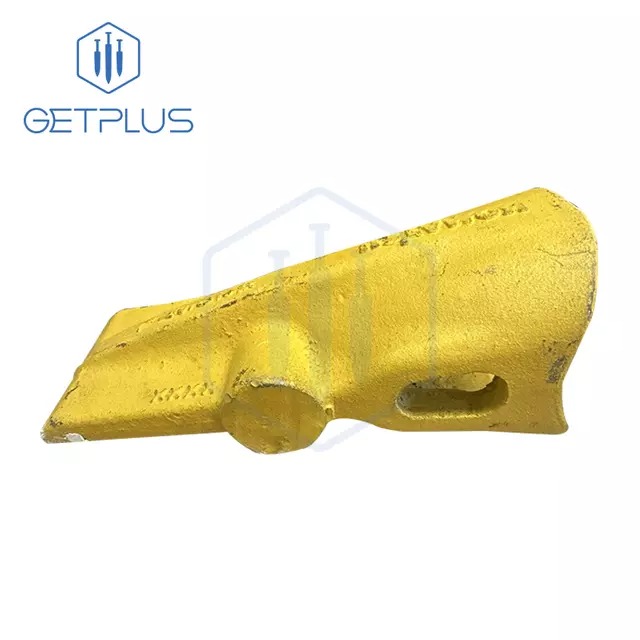
Start with the simplest check: compare what is on the machine now against the original tooth shape. Look at tip length, edge sharpness, body thickness, and overall profile. If the working end has become rounded, shortened, or heavily worn, it is already telling you something.
If possible, compare a worn tooth to a new one from the same profile. That side-by-side view makes wear easier to judge and helps remove guesswork.
Next, check the fit area carefully. Look for looseness, movement, worn pin holes, poor seating, and visible wear near the tooth base. A tooth may still have some body left, but if the connection is unstable, replacement should not wait too long.
Also pay attention to signs such as wobble, knocking, or hard-to-secure pins during installation. Those clues often point to wear that affects fit, not just surface appearance.
The right replacement should match both the machine and the job. A general-purpose tooth can work well in routine earthmoving. A penetration style often suits denser material. A heavier-duty profile may make more sense in abrasive or impact-heavy conditions. Choosing based on application first often produces better results than choosing by appearance alone.
Buyers should also review supplier range and fit reliability. A manufacturer such as Plus can be useful to compare because it offers multiple tooth styles for different working conditions. That gives us more room to match the tooth to real site demands instead of forcing one profile into every job.
Use this inspection and ordering list before placing a purchase:
● Compare worn teeth against the original profile.
● Check for cracks, chips, and side thinning.
● Inspect the root, pin area, and retention surfaces.
● Review adapter fit and look for excess play.
● Match the replacement profile to real ground conditions.
● Confirm compatibility before finalizing the order.
A simple buying decision often becomes better when the inspection stays disciplined. Good replacement starts long before the order form.
Worn bucket teeth usually show clear warning signs before failure. Their tips grow blunt, side wear makes them thinner, and cracks or loose fit often appear. As wear increases, digging slows, fuel use rises, and the bucket loses part of its cutting power. Replacing bucket teeth at the right time helps protect penetration, keep productivity steady, and reduce stress on adapters and other related parts. A regular inspection routine also makes replacement decisions easier, since it lets you compare tooth shape, check the locking area, and match the profile to actual ground conditions. When it is time to buy new parts, Hubei Plus Import&Export Trading Co.,ltd. can add value by offering well-matched bucket teeth for different applications, helping buyers improve service life, fit reliability, and overall field performance.
A: Bucket teeth are the wear parts at the front of an excavator or loader bucket. They help the bucket cut into soil, gravel, or rock more easily, which improves penetration, protects the adapter area, and supports faster digging cycles.
A: Common signs include blunt tips, shorter tooth length, side thinning, cracks, chips, loose fit, and worn locking areas. If bucket teeth no longer match their original profile, it is usually time to inspect them closely and plan replacement.
A: Worn teeth lose their sharp working shape, so the bucket pushes more and cuts less. When bucket teeth cannot focus force well, the machine needs more effort, cycle times increase, and fuel use often rises.
A: Replace them before wear reaches the adapter or shank. Once bucket teeth become too loose or too short, they can affect nearby parts and lead to higher repair costs than a normal planned replacement.
A: The part cost is only one side of the decision. Worn bucket teeth can reduce productivity, increase fuel use, and create extra stress on adapters and locking parts, so timely replacement often protects overall operating value.
A: Start with the job condition, then confirm fit. General digging, abrasive ground, and rock work often need different profiles. Well-matched bucket teeth usually last longer, fit better, and deliver steadier field performance.


